Our department has been dealing with the flow, chemical and biological phenomena occurring in pipe networks (drinking water supply systems, sewage networks, air and natural gas networks) for several decades. Out of these, hydraulic modeling of water networks (in steady and transient states), leak detection, solving optimization and sensor placement problems, estimating chlorine concentration distribution, predicting biological activity, the flow of compressible media (air, natural gas, hydrogen) and the operation of fluid machinery (pumps, compressors, fans) have received special attention during research.
Our research areas
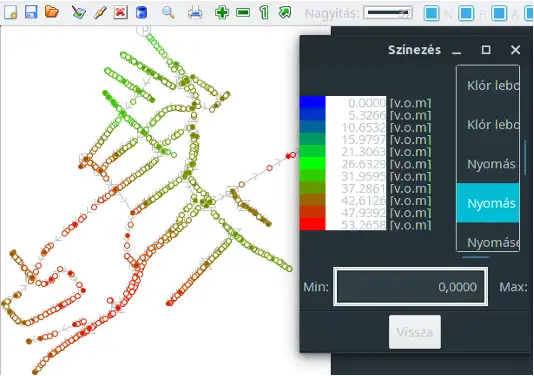
Simulation package for networks in steady state
Steady state in water networks and open surface channels
The in-house software is suitable for the modeling the steady-state flow phenomena of hydraulic networks and open surface channel systems.
PSToolBox
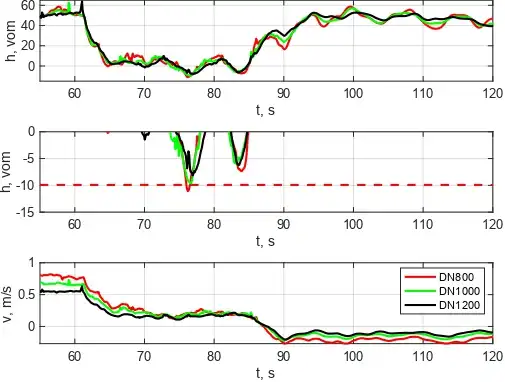
Transient gas and fluid dynamics solver
Another in-house software is capable of modeling transient processes (dynamic phenomena) for liquids, ideal and non-ideal gases, and mixtures. The software also includes dynamic models of other elements (valves, pumps, compressors).
Sensor placement
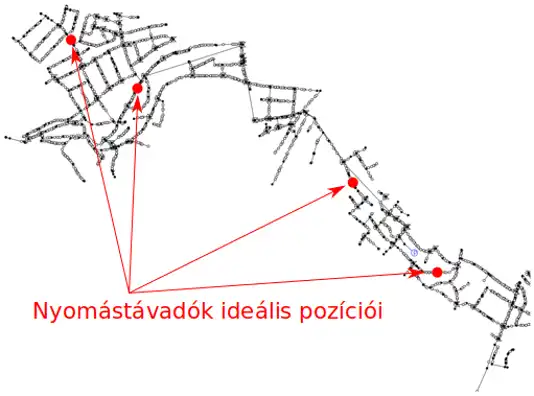
Increasing operational reliability through sensor optimization
The placement of pressure transducers at appropriate points in the network critically affects the accuracy of the measurement-based calibration, therefore, the choice of the position of the measurement points is not a trivial task. To solve this problem, we have developed a method with which the optimal position of the measurement points can be identified.
Chlorine concentration and biological activity
Improving water quality by understanding biological processes
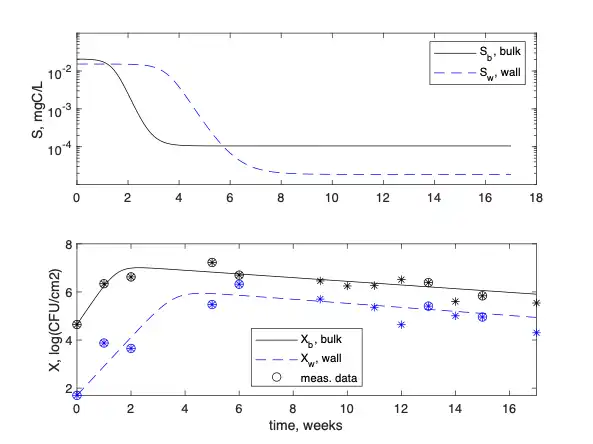
Our computational methods are suitable for predicting chlorine concentration and biological activity history in networks of any size and complexity.

Machine learning and AI in water network optimization
Leak detection and localization using machine learning methods in drinking water networks
One of the biggest problems in water utility systems is leakage. Our methods, based on machine learning and the application of graph neural networks, reconstruct the state of the entire network from pressure data measured at certain points in the network and localize the location of leaks.